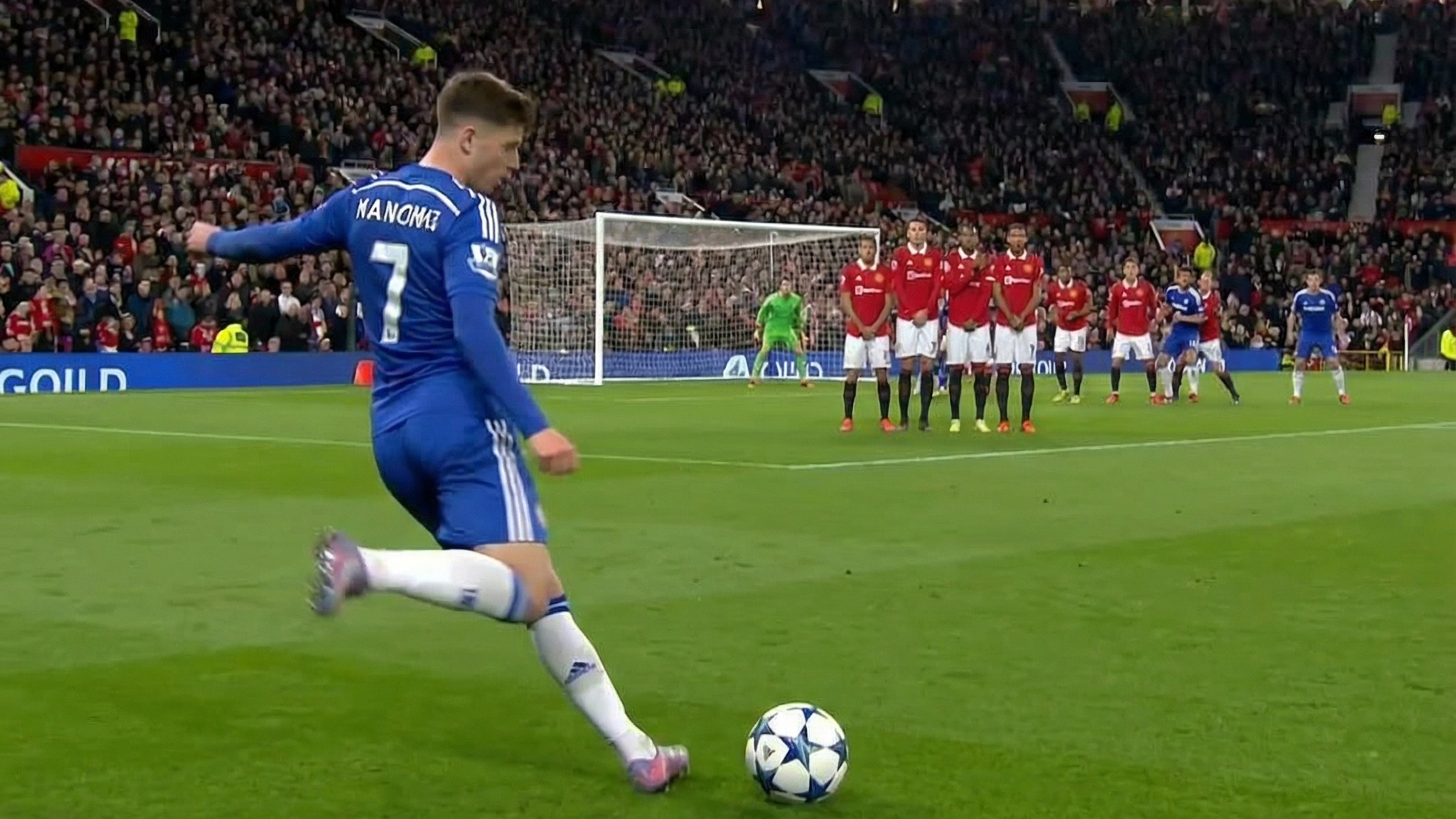
If you’ve watched any Premier League match lately, you’ve probably noticed something interesting. Teams are scoring more goals from dead-ball situations than ever before. In fact, recent studies show that over 30% of professional goals now come from
set pieces. But here’s what many parents in Burnaby, New Westminster, and Coquitlam don’t realize: this tactical revolution isn’t just happening at the elite level—it’s transforming youth soccer training right here in our Vancouver metro communities.
More Than Just a Free Kick: The Modern Soccer Intelligence Test
Gone are the days when set pieces were simply about having a big kid who could head the ball. Modern soccer has evolved, and consequently, so has youth soccer development. Today’s set pieces represent a complex chess match within the game itself—a moment where preparation, creativity, and tactical intelligence converge.
“Set pieces are a chance to control the uncontrollable. Unlike open play, here we can plan everything down to the millimeter.”
This shift matters enormously for kids soccer because it develops cognitive skills that transfer to every aspect of the game. When young players study set piece patterns, they’re not just learning where to stand—they’re developing spatial awareness, decision-making under pressure, and the ability to read the game three moves ahead.
Why Local Academies Are Making Set Pieces a Priority
In the competitive youth soccer landscape of Metro Vancouver, margins are razor-thin. Teams that master set pieces gain a significant edge, and this hasn’t gone unnoticed by forward-thinking soccer academies. Sefa Soccer Academy, serving Burnaby, New Westminster, and Coquitlam, has integrated specialized set piece training into their Elite Development Program
.
Meanwhile, across the region, soccer clubs are recognizing that dedicated set piece work pays dividends. The Academy Super League (ASL), which includes top-tier youth teams throughout British Columbia, has seen matches increasingly decided by well-rehearsed dead-ball situations
. This trend mirrors what’s happening globally: as defenses become more organized, set pieces offer one of the few predictable scoring opportunities.
The Four Pillars of Youth Set Piece Development
1. Technical Precision Over Raw Power
For kids soccer players aged 8-12, the focus should be on technique. A properly struck corner kick requires the same biomechanical principles as a precise pass—proper approach, locked ankle, and follow-through. Sefa Soccer Academy’s methodology emphasizes this technical foundation, knowing that power comes naturally with physical maturity
.
2. Tactical Understanding Through Visual Learning
Young players are visual learners. That’s why
modern soccer training incorporates
video analysis even at the youth level. By studying professional set pieces and their own training footage, players in Burnaby and Coquitlam can see patterns that would take years to discover through trial and error. This visual approach accelerates tactical development dramatically.
3. Psychological Resilience in High-Pressure Moments
There’s something uniquely challenging about standing over a free kick with the game on the line. For youth players, these moments build mental fortitude. Soccer training that simulates pressure—timed drills, consequence-based scenarios, and competitive execution—prepares kids for these decisive situations.
4. Creativity Within Structure
The best youth soccer academies don’t teach rigid routines. Instead, they provide frameworks where players can experiment. A corner kick might have three basic options, but the decision of which to use belongs to the players on the field. This balance of structure and creativity develops independent thinkers—exactly what modern soccer demands.
Practical Set Piece Training for Young Players
Corner Kicks: The Multi-Phase Attack
For soccer clubs working with U10-U15 players, corner kick training should progress systematically:
-
Phase 1 (Ages 8-10): Focus on basic delivery and attacking the ball. No complex routines—just getting the ball into dangerous areas consistently.
-
Phase 2 (Ages 11-13): Introduce coordinated movement. One player blocks, another makes a near-post run, while a third targets the penalty spot. Keep it simple but intentional.
-
Phase 3 (Ages 14+): Develop multiple routines and teach players to read defensive setups. This is where the tactical training at academies like Sefa becomes crucial.
Free Kicks: Building a Specialist
Every youth soccer team should develop one or two free kick specialists. However, the goal isn’t just scoring—it’s understanding when to shoot versus when to play quickly. Quick free kicks catch opponents napping, especially in the youth game where concentration lapses are common.
Throw-Ins: The Most Under-Coached Set Piece
The Burnaby Advantage: Local Context Matters
What makes youth soccer development unique in our Tri-Cities area? The diversity of playing styles. Burnaby’s multicultural soccer community exposes players to different tactical philosophies. A kid from New Westminster might face a technically precise Coquitlam team one week and a physically direct Vancouver squad the next.
This variety makes set piece preparation even more valuable. While opponents’ open-play tactics may differ wildly, set pieces provide a controlled environment where preparation trumps improvisation. Local academies that scout opponents and adapt their routines accordingly give their players a measurable advantage.
Integrating Set Pieces Into Holistic Development
Critically, set piece training shouldn’t exist in isolation. At quality soccer academies, it’s woven into the broader curriculum. A crossing drill for wingers doubles as free kick practice. Defensive positioning work translates directly to marking on corners. This integrated approach maximizes limited training time—essential when most youth teams only meet 2-3 times per week.
Sefa Soccer Academy exemplifies this philosophy, incorporating set piece scenarios into their technical and tactical training blocks. Players don’t just learn to take a corner; they learn how that corner fits into their team’s overall attacking identity.
Measuring Success: Beyond Goals Scored
For youth soccer, success in set pieces shouldn’t be measured solely by goals. Equally important metrics include:
-
Second-ball recovery rate: Are players alert after the initial clearance?
-
Defensive organization: Does the team maintain shape and communication?
-
Decision-making quality: Do players choose the right option under pressure?
-
Execution consistency: Can they deliver the planned routine reliably?
These developmental markers matter more than immediate results for kids soccer players still building their foundation.
The Future of Set Pieces in Youth Soccer
As analytics continue to influence soccer at all levels, set piece specialization will only grow. We’re already seeing designated set piece coaches in professional clubs, and this trend is filtering down to youth soccer academies. For families in Burnaby and Coquitlam evaluating soccer clubs, asking about set piece training philosophy provides insight into the academy’s overall tactical sophistication.
Furthermore, the rise of video analysis tools has democratized set piece preparation. What was once available only to elite pro clubs is now accessible to local youth soccer teams. This technological shift means that dedicated players in New Westminster can study their performances with the same tools used by MLS academies.
Getting Started: What Parents Can Look For
If you’re evaluating soccer training programs in the Vancouver area, consider these questions about set piece development:
-
Is set piece training age-appropriate? Younger kids need simplicity; older players need complexity.
-
Do coaches explain the “why”? Players execute better when they understand purpose.
-
Is creativity encouraged? The best routines emerge from player input, not just coach instruction.
-
How often is it practiced? Consistency matters more than marathon sessions.
Conclusion: The Competitive Edge
In the end, mastering set pieces gives youth soccer players something invaluable: the belief that they can influence the game through intelligence and preparation, not just athleticism. For kids in Burnaby, New Westminster, Port Moody, Port Coquitlam, Surrey and Coquitlam, this skill development happens right in their local soccer academy—no need to travel to Vancouver for elite training.
As the game continues evolving, one truth remains constant: goals win matches, and set pieces create goals. By investing time in this crucial phase of play, youth soccer academies aren’t just teaching routines; they’re developing smarter, more confident players ready for whatever the modern game demands.
Ready to elevate your child’s soccer development? Quality soccer training that includes dedicated set piece work is available throughout the Tri-Cities area. Look for programs that treat set pieces as the strategic opportunities they are—not just as drills to fill time between scrimmages.